

Direct answer for custom casting RFQ checklist
A custom casting RFQ should give the supplier enough information to quote process route, tooling, samples, machining, inspection, packaging, and production risk. The best RFQ package includes drawings, 3D files, material, quantity, critical dimensions, finish requirements, target application, and required documentation.
Use this checklist before contacting a casting supplier so the first quote is closer to a production plan and less like a rough price guess. The commercial review should connect directly to send drawings for RFQ review, Waking manufacturing capabilities, testing and inspection facilities, send drawings and project requirements to Waking; those service pages are where a buyer can verify process capability, inspection scope, and RFQ next steps.
Table of Contents
Buyer decision table
A short RFQ may receive a fast price, but it often hides later scope gaps around tooling, machining, sample approval, and inspection records. Use the table below as a quick screening tool before comparing quotations.
| Buyer checkpoint | Weak supplier response | Stronger Waking-style review |
|---|---|---|
| Files | Only a photo or old drawing is sent | Send 2D drawing, 3D model, revision, material, quantity, and application notes |
| Process scope | Supplier guesses casting route | Ask for process recommendation, tooling needs, machining scope, and inspection plan |
| Commercial scope | Quote excludes hidden work | Clarify samples, packaging, export terms, lead time, and documentation |
| Approval | First sample has no checklist | Define what must be measured, tested, photographed, and approved |
Inspection and documentation evidence
Google’s helpful-content guidance rewards pages that give visitors enough useful detail to complete their task. For casting buyers, useful detail means the page should help them prepare a cleaner RFQ, ask sharper supplier questions, and reduce rework during samples. The evidence below is practical rather than decorative.
| Evidence to request | Why it matters | When to ask |
|---|---|---|
| Process recommendation | Shows whether the supplier understood geometry, alloy, and volume | Before tooling quotation |
| Machining plan | Prevents datum and stock problems after casting | Before sample build |
| Inspection record | Turns quality claims into reviewable evidence | During sample and batch approval |
| Document package | Avoids export and customer acceptance delays | Before shipment |
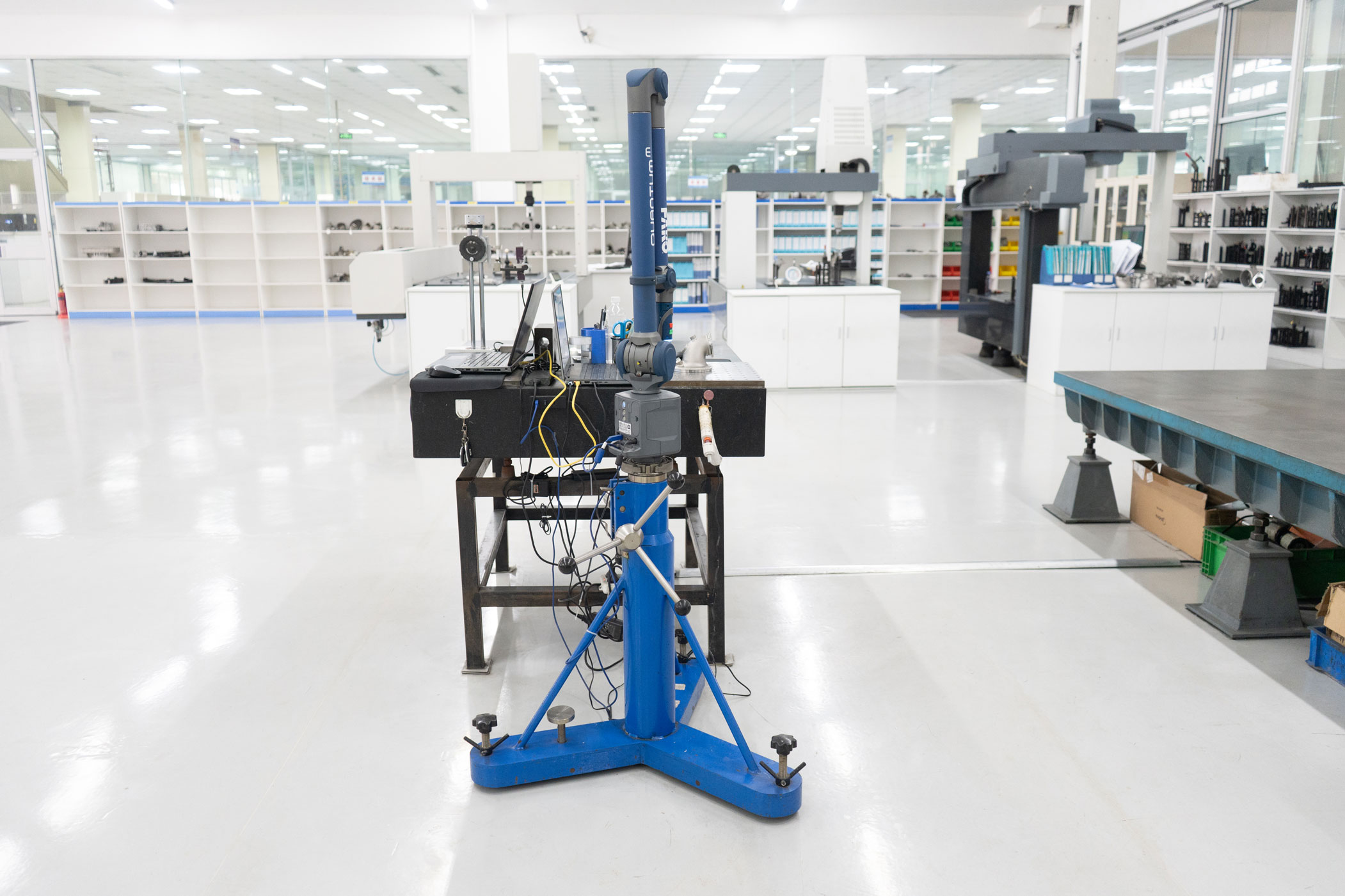
RFQ checklist before asking for price
- Current 2D drawing with revision, units, tolerances, material, finish, and critical dimensions.
- 3D model in a usable format, plus notes about any surfaces that must not be changed.
- Target annual quantity, first order quantity, sample quantity, and expected production rhythm.
- Application environment, assembly function, load, sealing, corrosion, or temperature notes where relevant.
- Required documents such as material certificate, dimensional report, test record, or buyer inspection form.
- For RFQ control, ask each supplier to list assumptions and exclusions so quotes can be compared fairly.
Common mistakes to avoid
- Comparing suppliers only by unit price while ignoring tooling assumptions, machining scope, inspection records, and packaging requirements.
- Sending a drawing without identifying critical-to-function dimensions, sealing faces, assembly surfaces, or any areas that must be protected during finishing.
- Expecting a casting supplier to guess the correct material standard, surface finish, or documentation package without written RFQ notes.
- Approving samples visually without checking whether later production batches will be inspected the same way.
For a project-specific review, use send drawings for RFQ review, Waking manufacturing capabilities, testing and inspection facilities, send drawings and project requirements to Waking. While preparing the drawing, RFQ and inspection notes, compare this requirement with custom metal casting manufacturer guide, lost wax casting design guide, low pressure aluminum casting guide, gravity vs low pressure casting comparison. Send the complete RFQ package to Waking through the contact page and include any required quality or test documentation.
FAQ
What should a buyer prepare before contacting Waking?
Prepare a current drawing, 3D model, material requirement, quantity estimate, critical dimensions, surface finish notes, and any inspection or document requirements. If a requirement is uncertain, mark it as open instead of leaving it implied.
Should every tolerance on a casting drawing be tight?
No. Tight tolerances should be reserved for functional features. Many cast surfaces can use a practical casting tolerance, while bores, threads, sealing faces, and assembly datums may need CNC machining and inspection.
How should a buyer compare two casting quotations?
Compare process route, tooling assumptions, sample scope, machining work, inspection records, packaging, lead time, and exclusions. A lower unit price can be misleading if it excludes work that the project still needs.
Sources and benchmark references
A clear RFQ helps suppliers quote the right process, tooling, machining and inspection scope. Missing drawings, material grades, quantities or quality requirements often create slow replies and quotes that cannot be compared fairly.
This guide is written for purchasing teams, engineers and quality teams who need production-ready metal components rather than a vague supplier introduction. It connects the commercial question to process choice, drawing review, machining, inspection and documentation.
Quick Answer
For RFQ preparation, start with the application and the drawing. Then check whether the casting process, material, machining plan and inspection method support the final part requirement. A low quote is only useful when the scope is clear enough to compare.
On the Waking site, related commercial pages include contact Waking, manufacturing capabilities, test facilities. Those pages explain the production routes; this article explains how to make the buying or engineering decision.
Decision Table
| Decision point | What to check |
|---|---|
| Files | Send 2D drawings, 3D models and revision numbers. |
| Commercial scope | State annual quantity, batch size, target schedule and delivery location. |
| Technical scope | Include material, heat treatment, machining, finish and inspection requirements. |
| Decision criteria | Explain whether cost, lead time, quality risk or process fit matters most. |
How to Review the Requirement
Begin with the function of the component. A bracket, housing, valve part, pump component or automotive part may look simple in a photo, but the real requirement is usually hidden in mating surfaces, loads, threads, sealing faces and inspection notes.
Separate the part into three zones: cast surfaces, machined surfaces and controlled functional features. Cast surfaces need process stability. Machined surfaces need datum control and enough stock. Functional features need inspection rules that both buyer and supplier understand.
Common Buyer Mistakes
- Sending a 3D file without a 2D drawing, material grade or tolerance notes.
- Comparing quotes that include different machining, finishing or inspection scope.
- Waiting until after tooling to discuss draft, wall thickness or machining datums.
- Specifying tight tolerances on surfaces that do not affect function.
- Ignoring packaging, corrosion protection and documentation until shipment.
Practical Checklist
- Files: Send 2D drawings, 3D models and revision numbers.
- Commercial scope: State annual quantity, batch size, target schedule and delivery location.
- Technical scope: Include material, heat treatment, machining, finish and inspection requirements.
- Decision criteria: Explain whether cost, lead time, quality risk or process fit matters most.
What to Ask a Supplier
Ask how the supplier reviews drawings before tooling. Ask which dimensions are expected to be cast, which will be machined, and which need first article inspection. Ask what information is missing from the RFQ before asking for the lowest price.
For technical references, buyers often align drawings and inspection language with sources such as ISO 9001 quality management, ASTM standards, ASME Y14.5 GD&T and NIST measurement resources. Use the standard required by your project; do not assume a supplier will know it unless it appears on the drawing or purchase document.
Where to go next
Continue with Custom Metal Casting Manufacturer Guide for Production Buyers. For context from the previous topic, review Casting Surface Finish and Secondary Operations Guide. If you are building the full supplier selection workflow, return to the custom metal casting manufacturer guide.
When the drawing is ready, you can send drawings and project requirements to Waking for review.
FAQ
Can I ask for a quote with only a sample?
Yes, but drawings and measurements are still needed before reliable production quoting.
Why do suppliers ask so many RFQ questions?
Good questions reduce process risk and prevent quotes based on wrong assumptions.
Should NDA be signed before sending drawings?
For sensitive projects, sign an NDA before sharing controlled drawings or application details.
Frequently Asked Questions
Should I provide both a 2D drawing and a 3D model when asking for a casting quote?
Yes. The 2D drawing carries revision, units, tolerances, material, finish, and critical dimensions; the 3D model helps the supplier review geometry and machining stock. Without both, quotes are less comparable and later scope gaps often appear during tooling or samples.
Why should the RFQ ask for a process recommendation instead of fixing the casting route?
A process recommendation shows whether the supplier understood geometry, alloy, and volume. Waking can review investment casting, low pressure aluminum casting, gravity aluminum casting, and CNC machining in one plant, so the recommendation becomes a production plan rather than a guess.
Which inspection records should be specified before first article approval of a machined casting?
Specify records that make quality claims reviewable, such as CMM dimensional reports, X-ray non-destructive testing, material certificates, hardness or pendulum impact test records, and first article inspection reports. This way later production batches are inspected the same way instead of only being visually approved.
How should material and documentation requirements be stated to avoid supplier guessing?
State the exact material standard or grade where known, for example 304/316/CF8/CF8M stainless steel, carbon steel, alloy steel, or aluminum alloy. Include the required material certificate, dimensional report, test record, and any buyer inspection form. If a requirement is uncertain, mark it as open instead of leaving it implied.
Key Parameters at a Glance
| Inspection item | Evidence record available from in-house capability |
|---|---|
| Dimensional conformity | CMM report using COORD3 or ZEISS SPECTRUM |
| Internal soundness | X-ray non-destructive testing report (XTH320) |
| Microstructure and material conformance | Inverted metallurgical microscope image and material certificate |
| Mechanical properties | Hardness test and pendulum impact test records |
| Form and surface profile | Roundness and profile measurement report |
| First article and batch traceability | First article inspection (FAI) report, sample approval record, batch traceability and material certificate |
| Pressure-containing parts if specified | Leak testing report |
