Phone:
+86 15005422253
Physical address:
Pingdu City, Qingdao,
Shandong Province, China.

Phone:
+86 15005422253
Physical address:
Pingdu City, Qingdao,
Shandong Province, China.
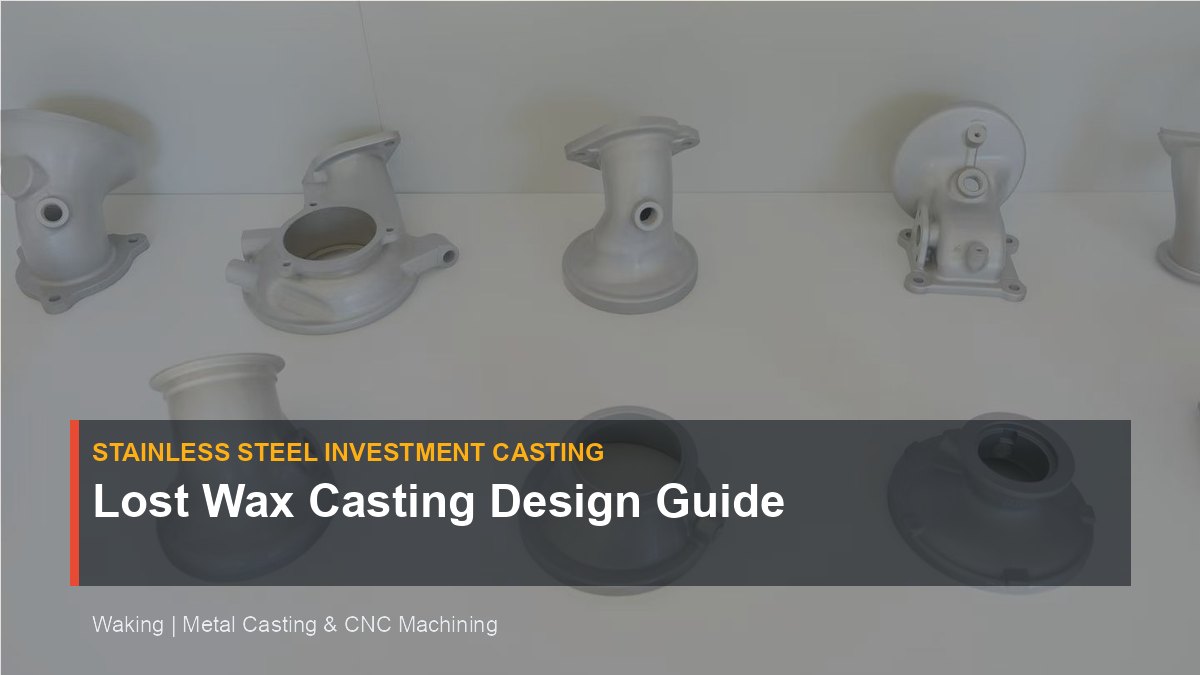
Learn how to review lost wax casting designs for stainless steel and alloy steel parts, including machining stock, tolerances and inspection.
Lost wax casting is strongest when a metal part needs complex geometry, repeatable detail, and less machining than a fully billet-machined route. The practical design question is not only whether the part can be cast, but which surfaces must remain as-cast, which surfaces need machining stock, and how the supplier will inspect those features after finishing.
Use this guide for stainless steel, alloy steel, or compact precision components where tooling, wax pattern control, shell quality, and machining allowance decide cost and repeatability. The commercial review should connect directly to lost wax casting service, CNC machining for cast components, casting quality inspection, send drawings and project requirements to Waking; those service pages are where a buyer can verify process capability, inspection scope, and RFQ next steps.
Many RFQs fail because drawings specify tight tolerances everywhere instead of separating cast features from machined datums and sealing faces. Use the table below as a quick screening tool before comparing quotations.
| Buyer checkpoint | Weak supplier response | Stronger Waking-style review |
|---|---|---|
| Wall and rib design | Part can be wax patterned but not filled consistently | Review thin sections, transitions, ribs, and local mass before tooling |
| Machined features | Tight dimensions are shown everywhere | Mark datums, sealing faces, bores, and threads that require machining |
| Material route | Grade is selected without casting review | Confirm castability, heat treatment, corrosion needs, and certificates |
| Sample approval | Only appearance is reviewed | Check dimensions, surface condition, machining stock, and functional surfaces |
Google’s helpful-content guidance rewards pages that give visitors enough useful detail to complete their task. For casting buyers, useful detail means the page should help them prepare a cleaner RFQ, ask sharper supplier questions, and reduce rework during samples. The evidence below is practical rather than decorative.
| Evidence to request | Why it matters | When to ask |
|---|---|---|
| Process recommendation | Shows whether the supplier understood geometry, alloy, and volume | Before tooling quotation |
| Machining plan | Prevents datum and stock problems after casting | Before sample build |
| Inspection record | Turns quality claims into reviewable evidence | During sample and batch approval |
| Document package | Avoids export and customer acceptance delays | Before shipment |
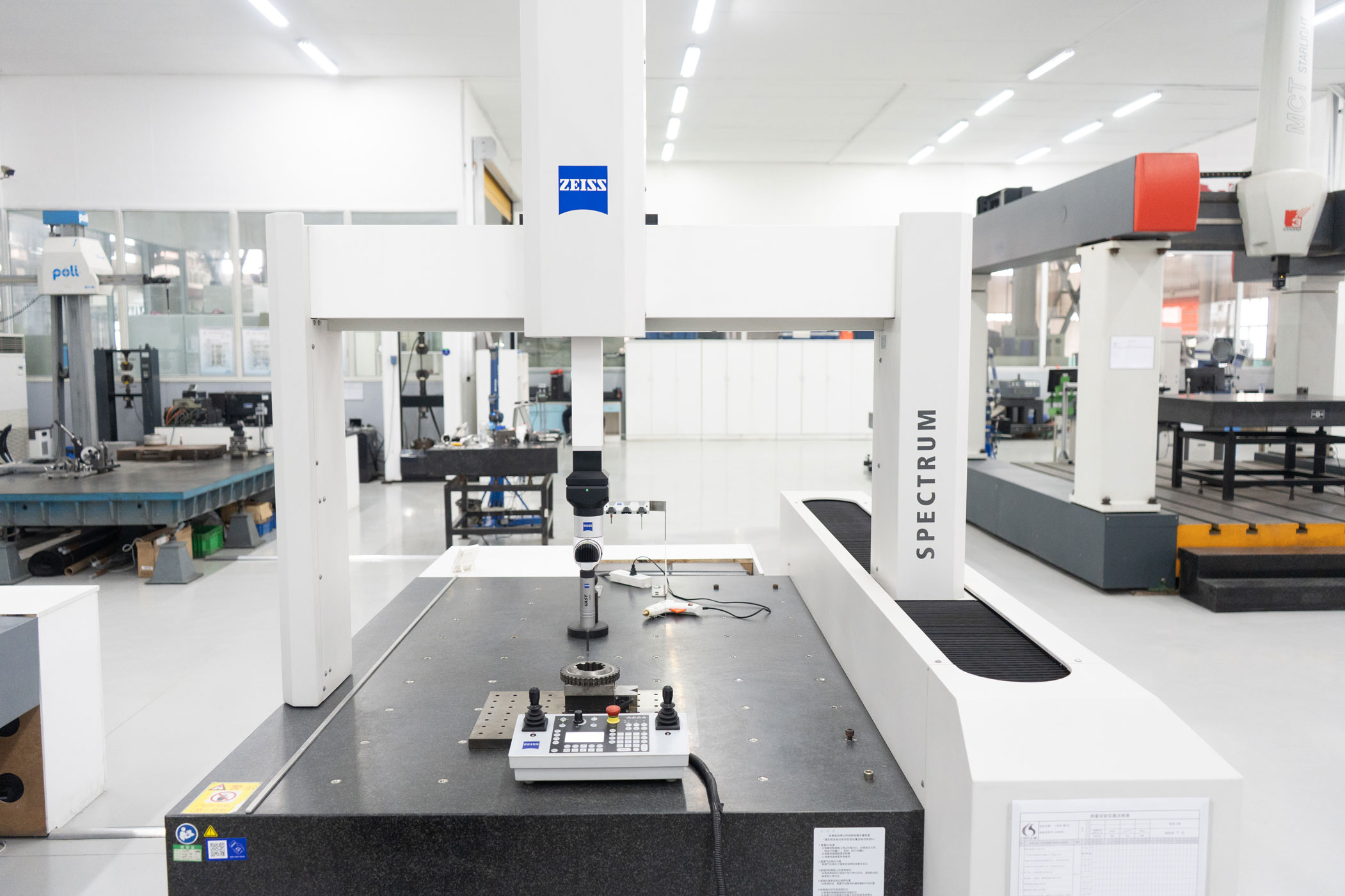
For a project-specific review, use lost wax casting service, CNC machining for cast components, casting quality inspection, send drawings and project requirements to Waking. While preparing the drawing, RFQ and inspection notes, compare this requirement with custom metal casting manufacturer guide, low pressure aluminum casting capability, gravity casting and low pressure process review, CNC machining after casting. Ask Waking to review lost wax casting feasibility together with CNC machining stock and inspection points before tooling release.
Prepare a current drawing, 3D model, material requirement, quantity estimate, critical dimensions, surface finish notes, and any inspection or document requirements. If a requirement is uncertain, mark it as open instead of leaving it implied.
No. Tight tolerances should be reserved for functional features. Many cast surfaces can use a practical casting tolerance, while bores, threads, sealing faces, and assembly datums may need CNC machining and inspection.
Compare process route, tooling assumptions, sample scope, machining work, inspection records, packaging, lead time, and exclusions. A lower unit price can be misleading if it excludes work that the project still needs.
Lost wax casting is useful when stainless steel or alloy steel parts need complex geometry, tighter detail and less machining than a rougher casting route. The best results come when design, tooling, gating, machining and inspection are considered together.
This guide is written for purchasing teams, engineers and quality teams who need production-ready metal components rather than a vague supplier introduction. It connects the commercial question to process choice, drawing review, machining, inspection and documentation.
For process design, start with the application and the drawing. Then check whether the casting process, material, machining plan and inspection method support the final part requirement. A low quote is only useful when the scope is clear enough to compare.
On the Waking site, related commercial pages include lost wax casting, CNC machining, quality system. Those pages explain the production routes; this article explains how to make the buying or engineering decision.
| Decision point | What to check |
|---|---|
| Geometry | Good for complex shapes, ribs, bosses and internal details that are hard to machine from billet. |
| Material | Often used for stainless steel, carbon steel and alloy steel components. |
| Machining stock | Critical surfaces still need controlled machining allowance. |
| Inspection | Use first article checks before moving into repeat production. |
Begin with the function of the component. A bracket, housing, valve part, pump component or automotive part may look simple in a photo, but the real requirement is usually hidden in mating surfaces, loads, threads, sealing faces and inspection notes.
Separate the part into three zones: cast surfaces, machined surfaces and controlled functional features. Cast surfaces need process stability. Machined surfaces need datum control and enough stock. Functional features need inspection rules that both buyer and supplier understand.
Ask how the supplier reviews drawings before tooling. Ask which dimensions are expected to be cast, which will be machined, and which need first article inspection. Ask what information is missing from the RFQ before asking for the lowest price.
For technical references, buyers often align drawings and inspection language with sources such as ISO 9001 quality management, ASTM standards, ASME Y14.5 GD&T and NIST measurement resources. Use the standard required by your project; do not assume a supplier will know it unless it appears on the drawing or purchase document.
Continue with low pressure aluminum casting capability. For context from the previous topic, review Custom Metal Casting Manufacturer Guide for Production Buyers. If you are building the full supplier selection workflow, return to the custom metal casting manufacturer guide.
When the drawing is ready, you can send drawings and project requirements to Waking for review.
In many buyer conversations the terms are used together, although suppliers may define process details differently.
No. It can reduce machining, but tight fits, threads, bearing seats and sealing surfaces usually still need machining.
Clear material, tolerance zones, datum scheme, surface finish and inspection notes make the review much faster.
If the casting route is still open, compare this investment casting design path with low pressure aluminum casting design limits and gravity versus low pressure casting tradeoffs before committing tooling assumptions.