
Investment Casting Foundry — Melt, Cast, Machine and Inspect Under One Roof
Foundry Since 2002 · 70,000 m² | ISO 9001 & IATF 16949 | X-Ray NDT & Twin CMM Lab | Exports to 40+ Regions
Get a Foundry Quote
🔒 Used only to reply to your inquiry — no spam, never shared.
What Our Foundry Casts
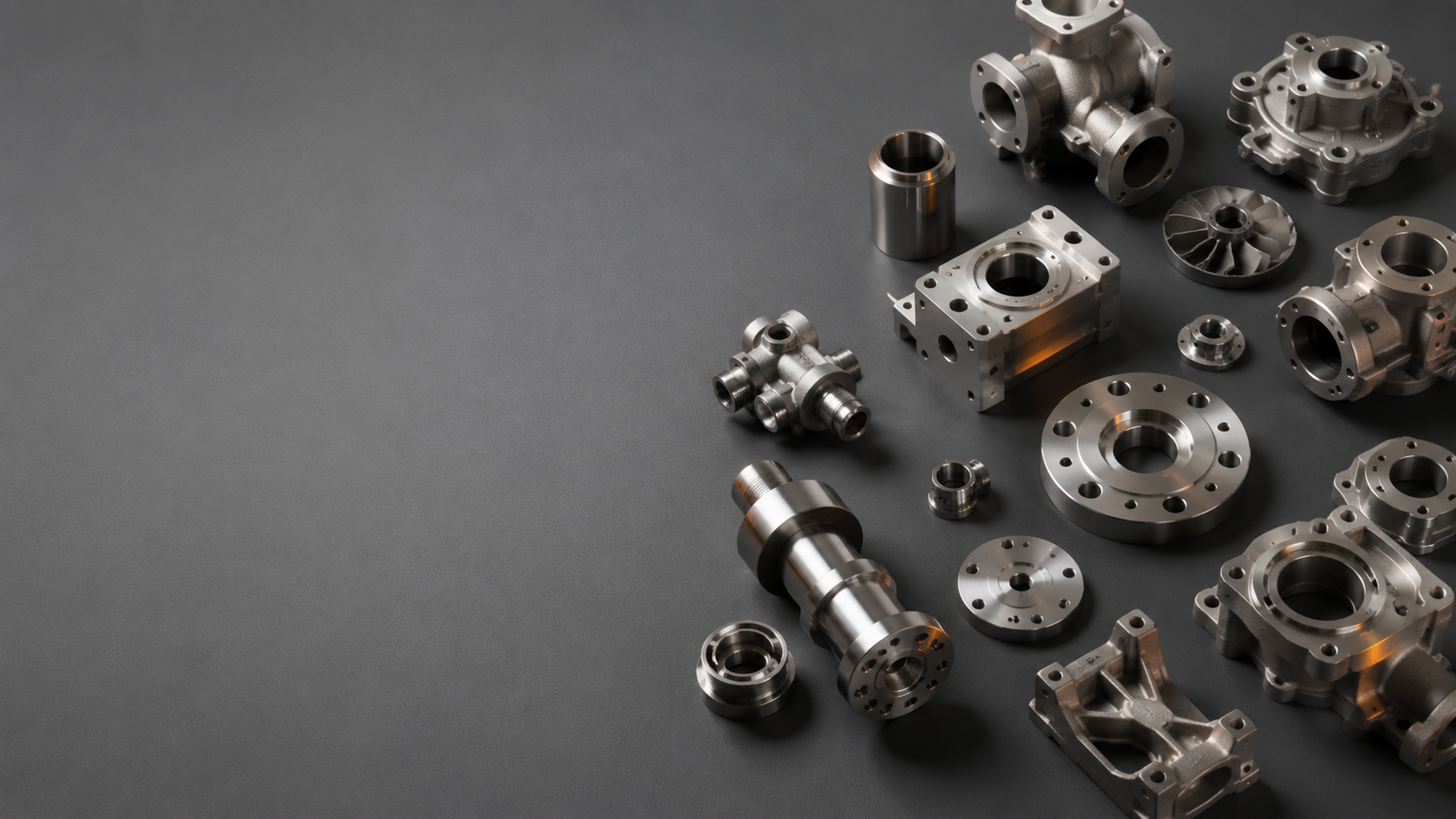
Stainless Steel Investment Castings
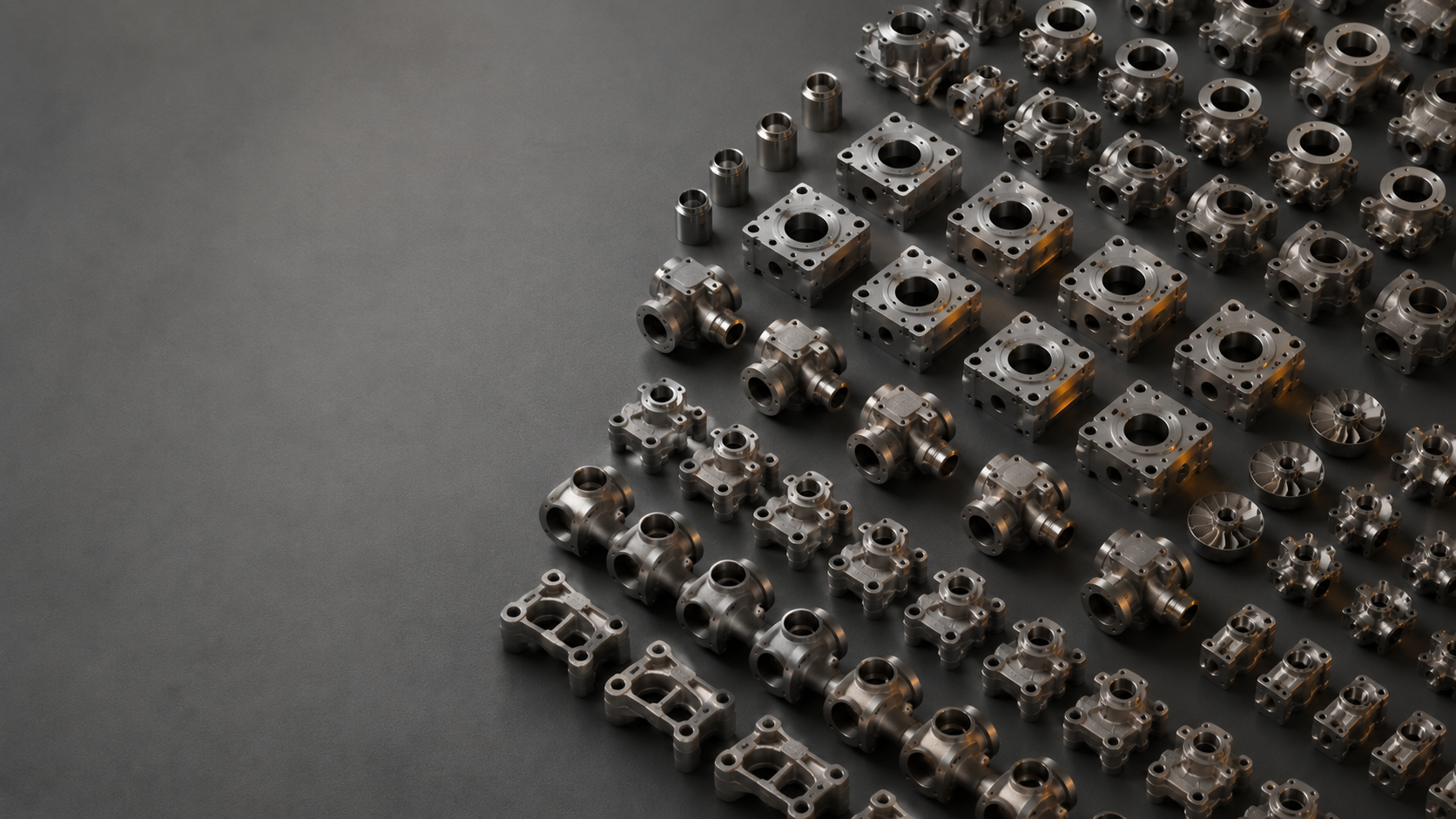
Carbon & Alloy Steel Castings
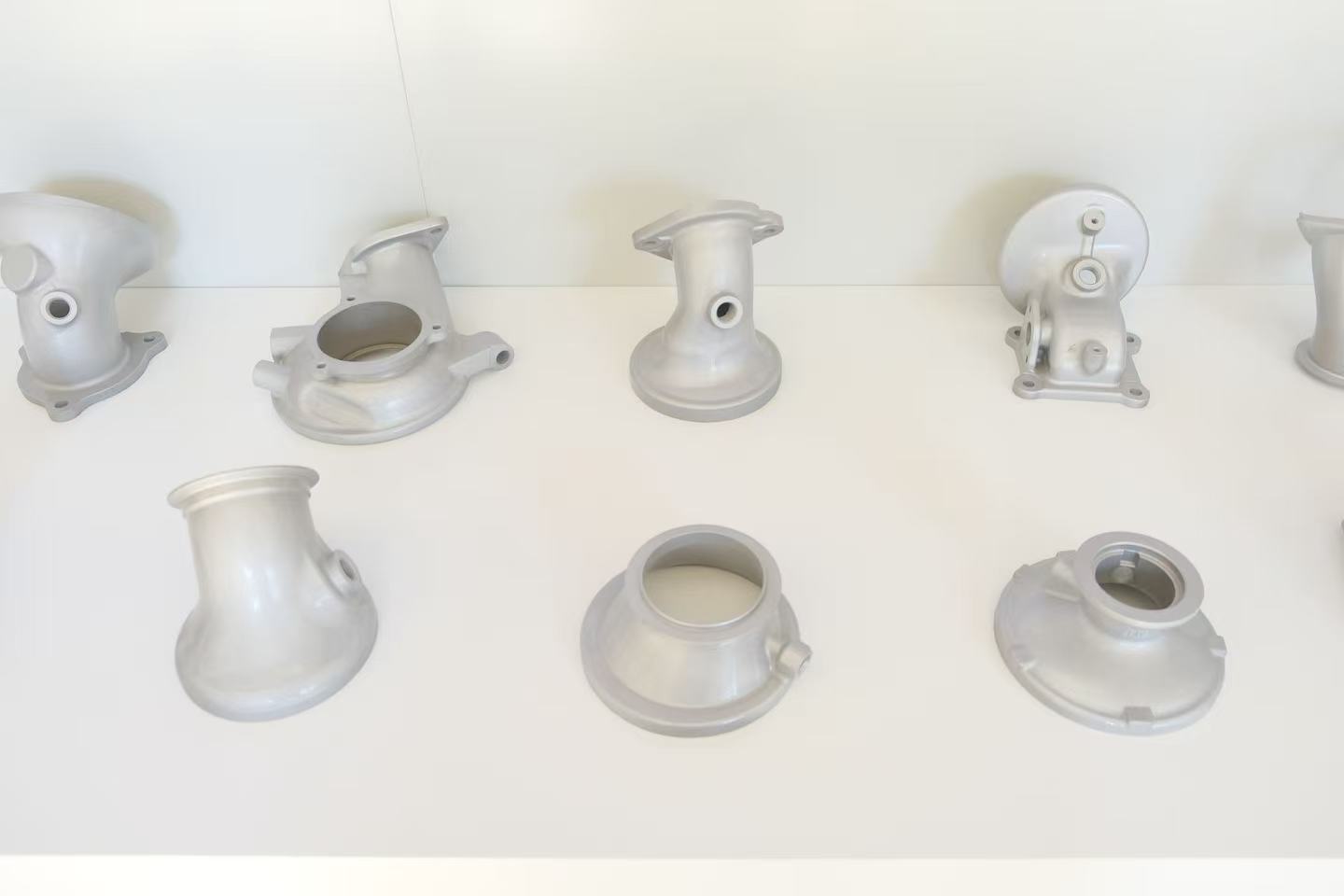
Aluminum Castings
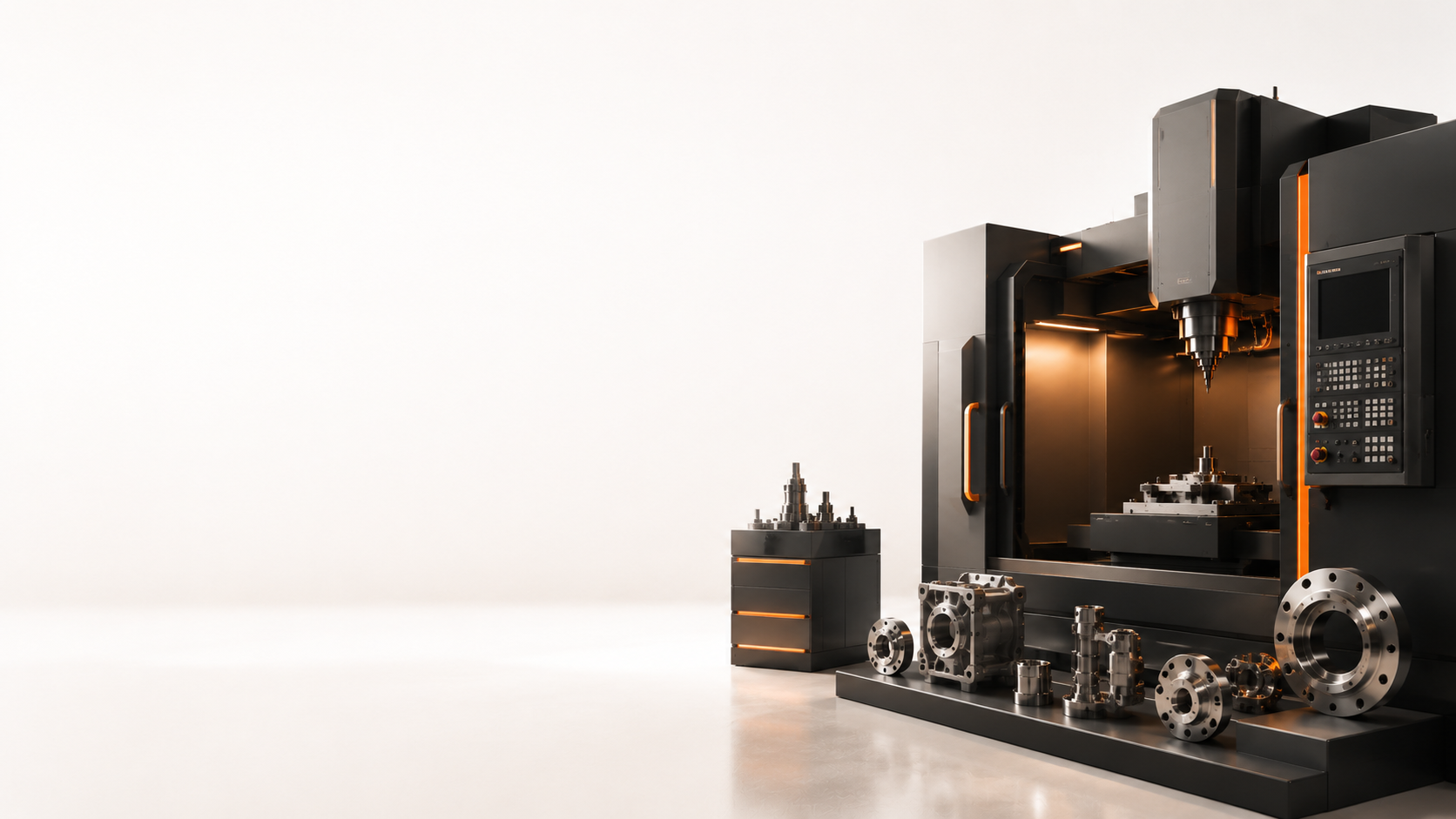
Machined & Inspected Castings
Silica sol investment casting foundry · aluminum low pressure & gravity casting · in-house CNC machining · X-ray, CMM and metallurgical inspection — one plant in Qingdao, China
Inside the Foundry
Silica Sol Lost Wax Casting Line
The silica sol shell system reproduces fine detail from the wax pattern and holds stable dimensions batch after batch — the reason buyers pick an investment casting foundry over sand casting for valve bodies, impellers and complex machinery parts. Wax injection, shell building, dewaxing, melting and pouring are all run and controlled in-house. If a feature on your drawing will be hard to fill or prone to shrinkage, our engineers flag it at the review stage, while a change is still free.
| Process | Silica sol lost wax (investment) casting |
| Steels | Stainless 304 / 316 / CF8 / CF8M, carbon & alloy steel |
| Typical parts | Valve bodies, pump housings, impellers, machinery parts |
| Strength | Fine detail, thin walls, near-net shape |
| Review | Castability check on every drawing before quoting |
Aluminum Low Pressure & Gravity Lines
Aluminum runs on two dedicated lines. Low pressure casting fills the die from below under controlled pressure — the calm fill and sustained feeding produce the dense, leak-tight structures that motor housings and pressure-containing parts need. Gravity casting covers brackets, covers and machinery components where a permanent mold gives repeatable dimensions at a sensible tooling cost. Both feed the same CNC floor and the same inspection lab.
| Processes | Low pressure casting & gravity casting |
| Material | Aluminum alloy, selected per application |
| Typical parts | Motor housings, transmission housings, brackets |
| Strength | Dense, leak-tight structures from controlled fill |
| Testing | Leak testing for pressure-containing castings |
The Inspection Lab — Named Equipment, Not Claims
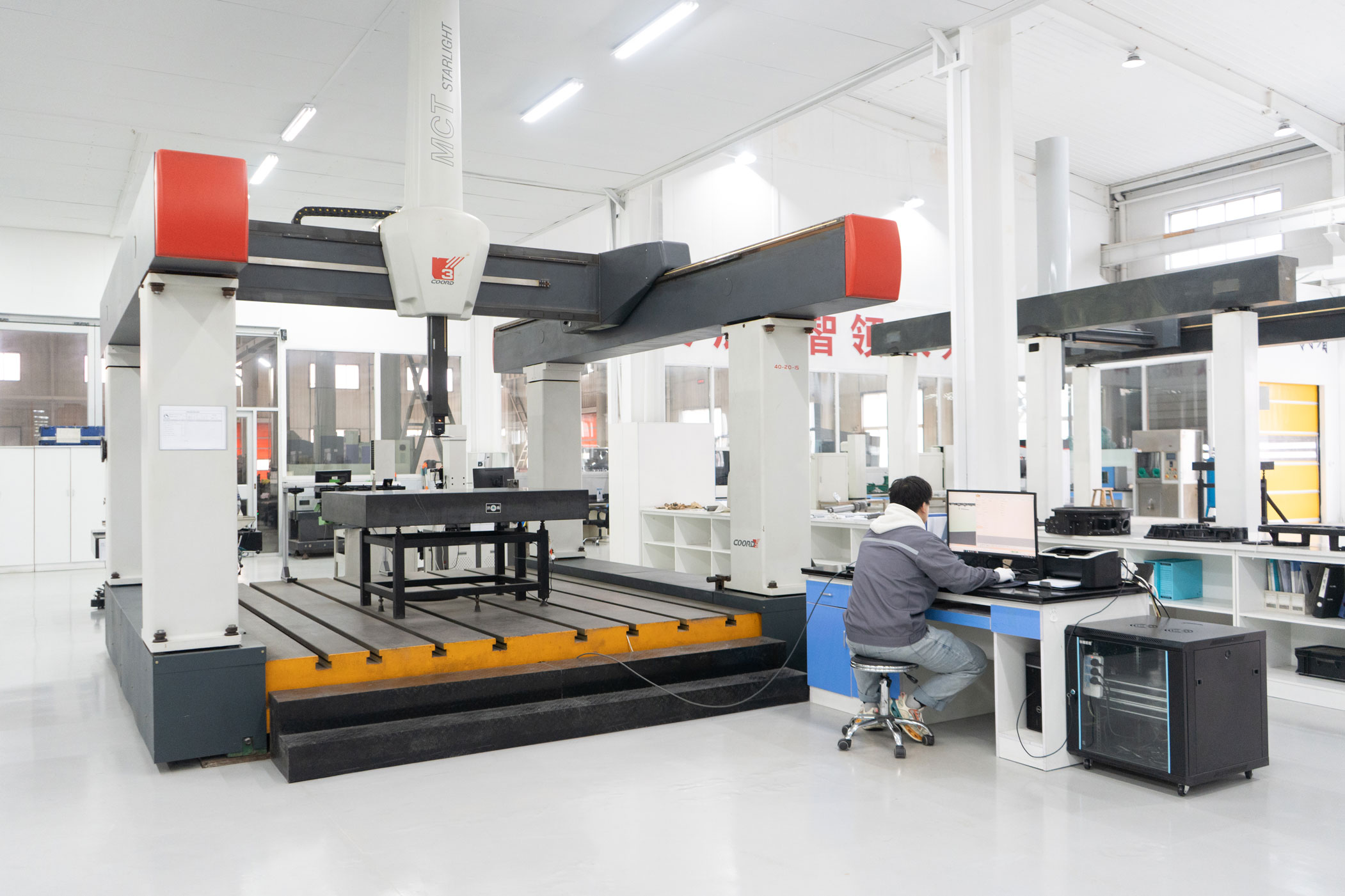
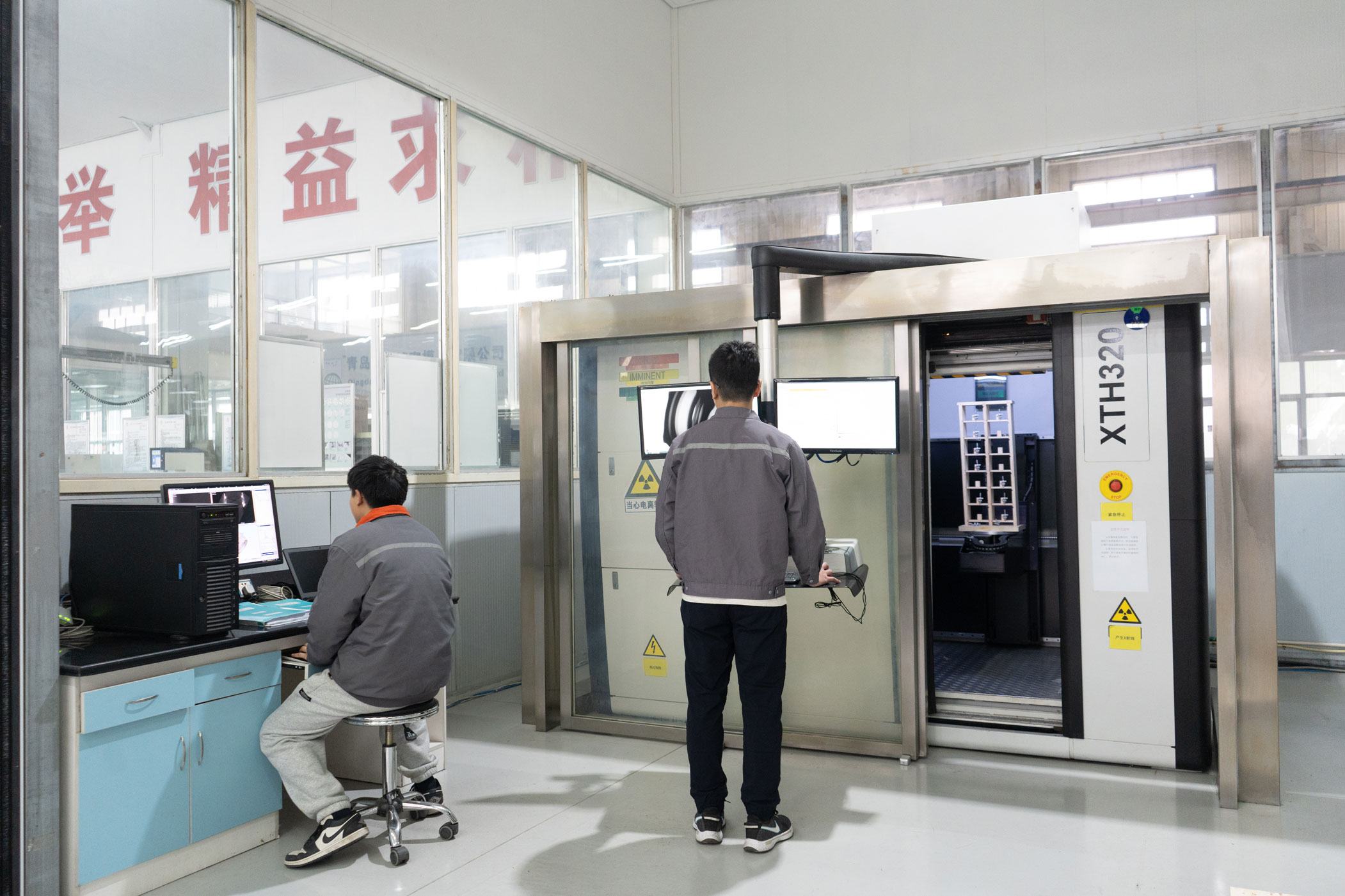
Any foundry can say it has quality control. Ours can name the machines. An XTH320 X-ray NDT system screens castings for internal porosity and shrinkage — the defects no caliper can reach. Two coordinate measuring machines, a COORD3 and a ZEISS SPECTRUM, verify dimensions and support first article inspection. An inverted metallurgical microscope checks material structure; hardness, roundness and profile instruments and a pendulum impact tester — including low-temperature impact testing — cover the rest. That equipment list is what separates a report from a guess — a supplier that can’t name its machines can’t prove its parts.
| X-ray NDT | XTH320 — internal porosity & shrinkage screening |
| CMM | COORD3 + ZEISS SPECTRUM, first article inspection |
| Metallurgy | Inverted metallurgical microscope |
| Mechanical | Hardness, roundness/profile, low-temp impact testing |
| Traceability | Material certificates + inspection reports per batch |
From Pour to Finished Part
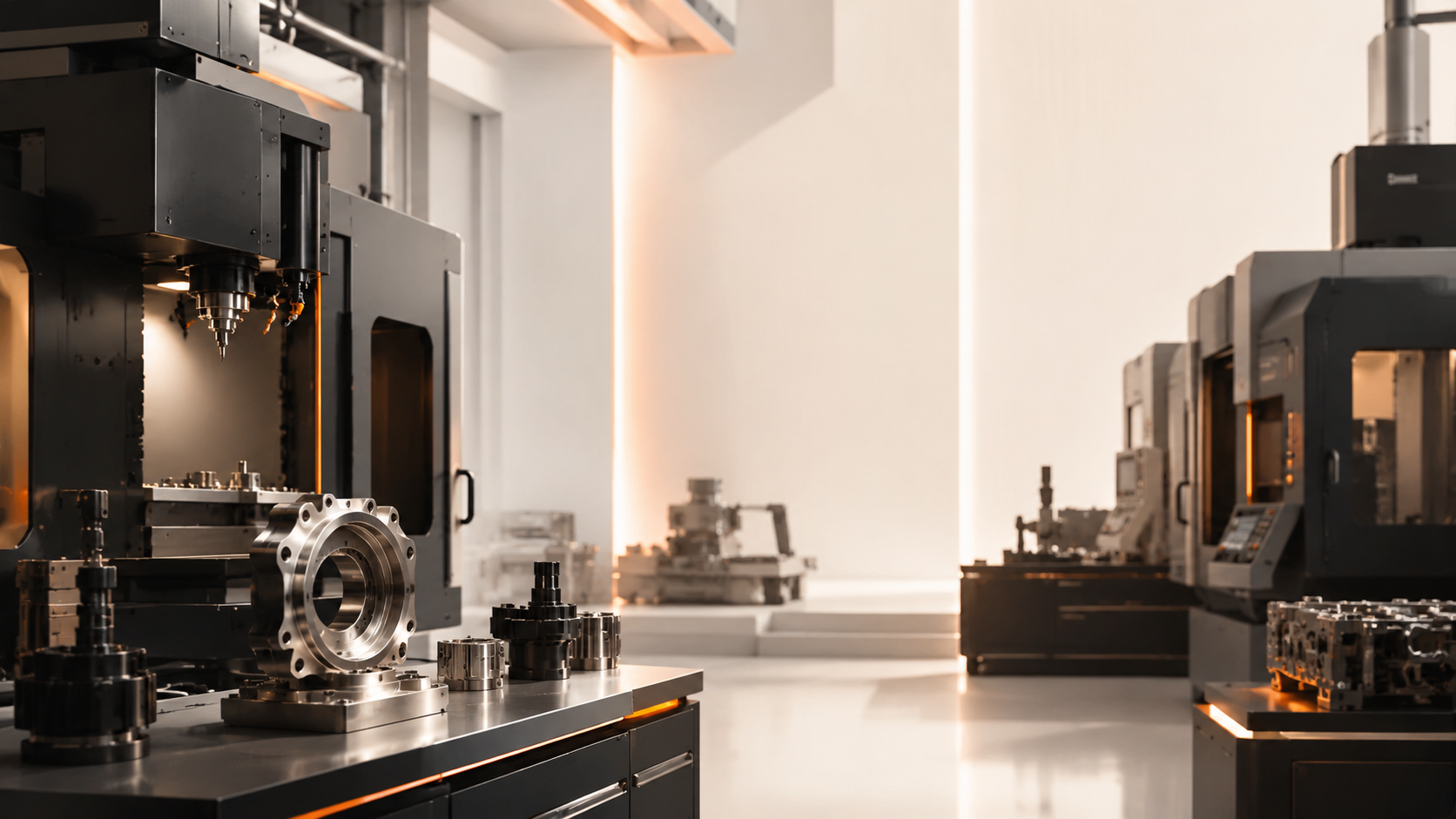
Castings rarely ship as-cast. After the pour, parts move straight to our own CNC floor — 400+ machines for milling, turning, drilling and tapping — then back to the lab for final checks, then to export packing. No second vendor, no freight between suppliers, no gap where responsibility gets argued about. One foundry answers for the whole part, from melt chemistry to the dimensional report in the crate.
| Machining | 400+ CNC machines in the same plant |
| Finishing | Deburring, polishing, passivation, anodizing, plating |
| Heat treatment | In-house, per material specification |
| Documentation | Batch-traceable certs and reports, one source |
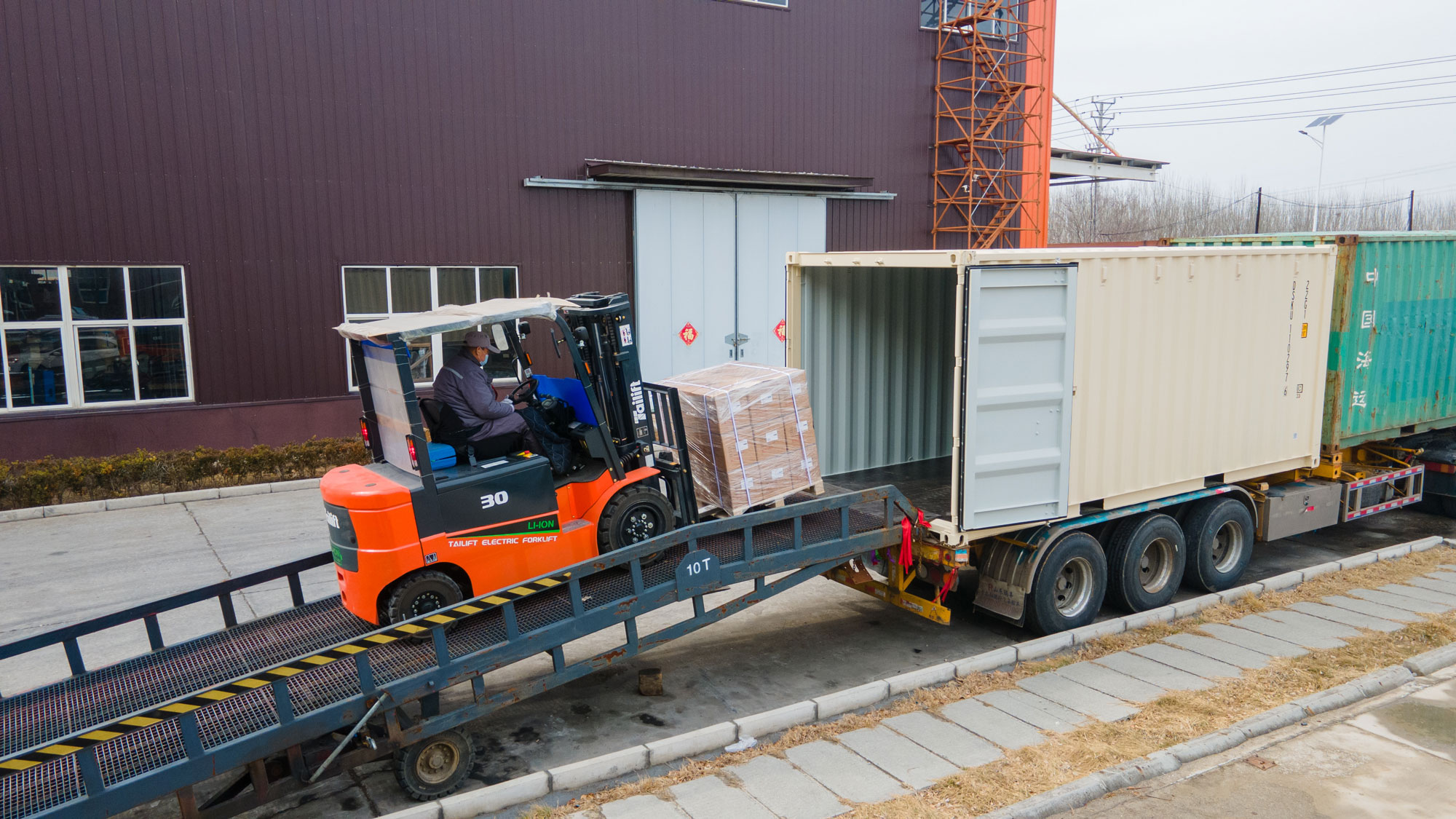
| Packing | Export packaging for 40+ markets |
Most casting problems are decided before the pour — in shell building, gating and process control — and caught after it, in the inspection lab. Both ends live in this factory, so when your QA team asks how a batch was verified, you’re getting equipment names and reports, not promises.
A Real Foundry, Not a Trading Company
Plenty of casting suppliers are trading companies — they forward your drawing, add a margin and relay your questions to a factory you never see. Waking pours the metal itself. The foundry, the CNC workshop and the inspection lab share one 70,000 m² site in Qingdao, so the engineer who answers your castability question is the one who runs the process. Ask for a video walkthrough of the melt shop and the lab — a real foundry can always show you the floor, and one that can’t is telling you something.
- Foundry, CNC machining and inspection under one roof since 2002
- Lab equipment by name: XTH320 X-ray, COORD3 & ZEISS SPECTRUM CMMs
- ISO 9001 quality management · IATF 16949 certified
- Batch traceability: material certs and inspection reports together
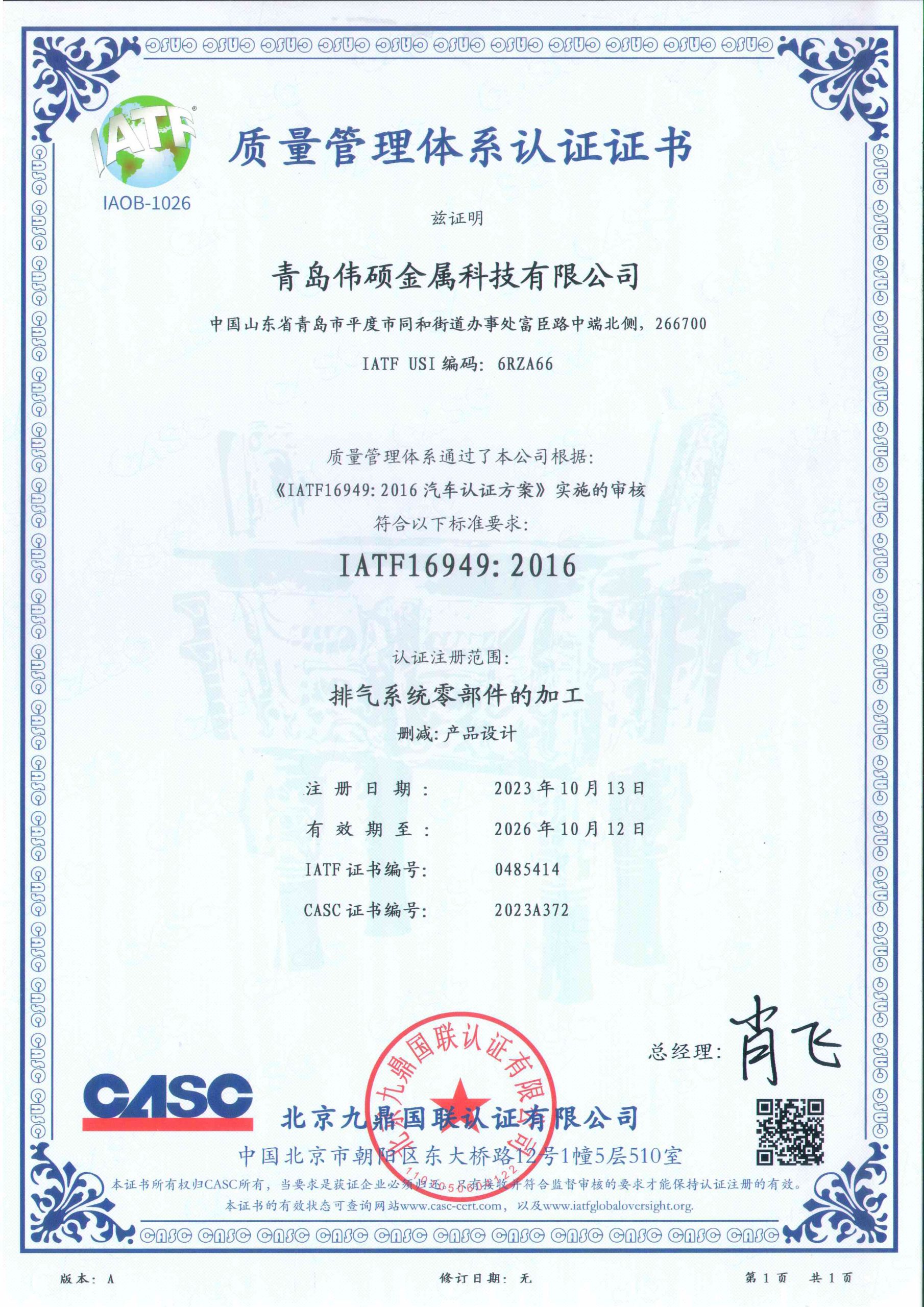
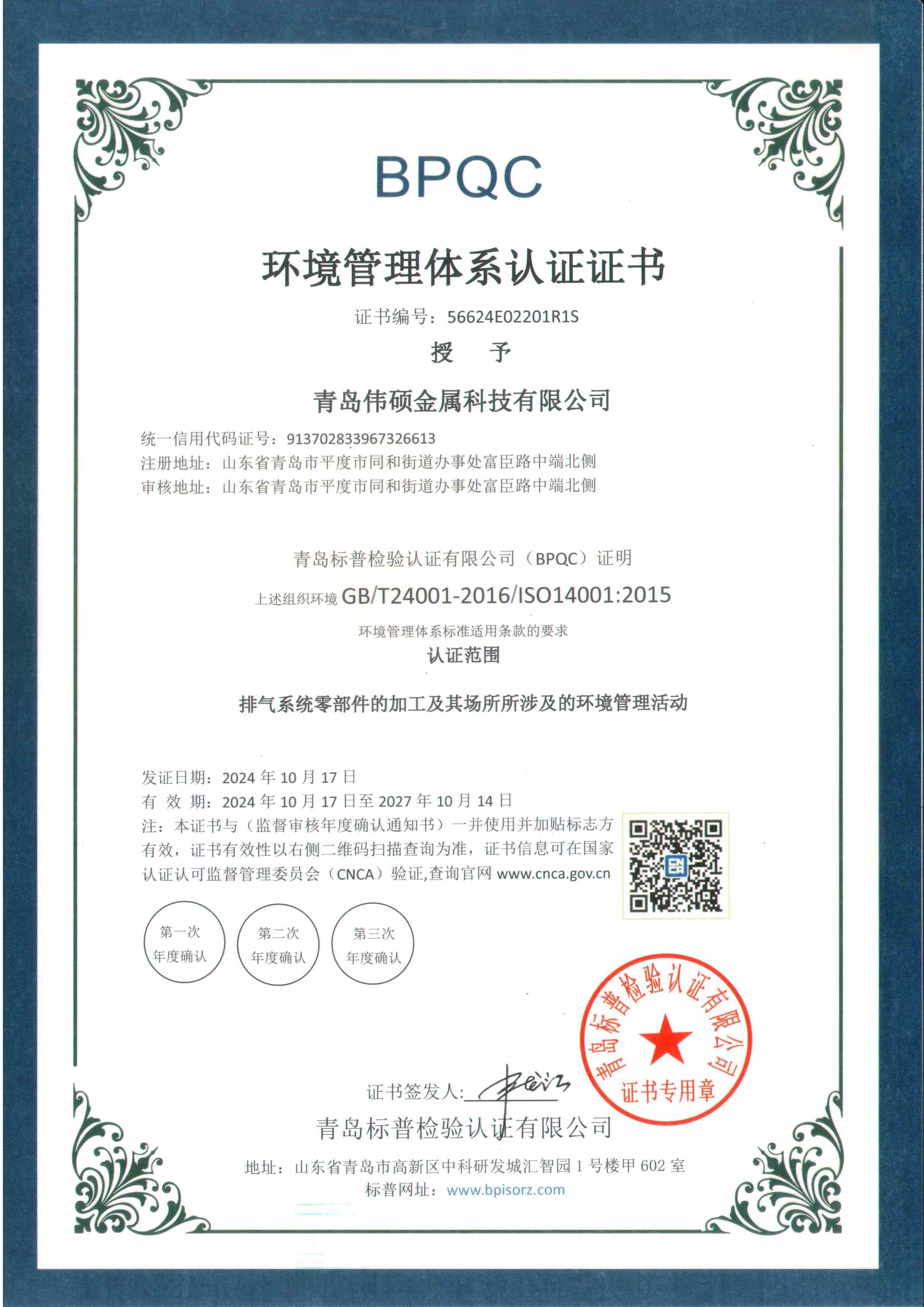
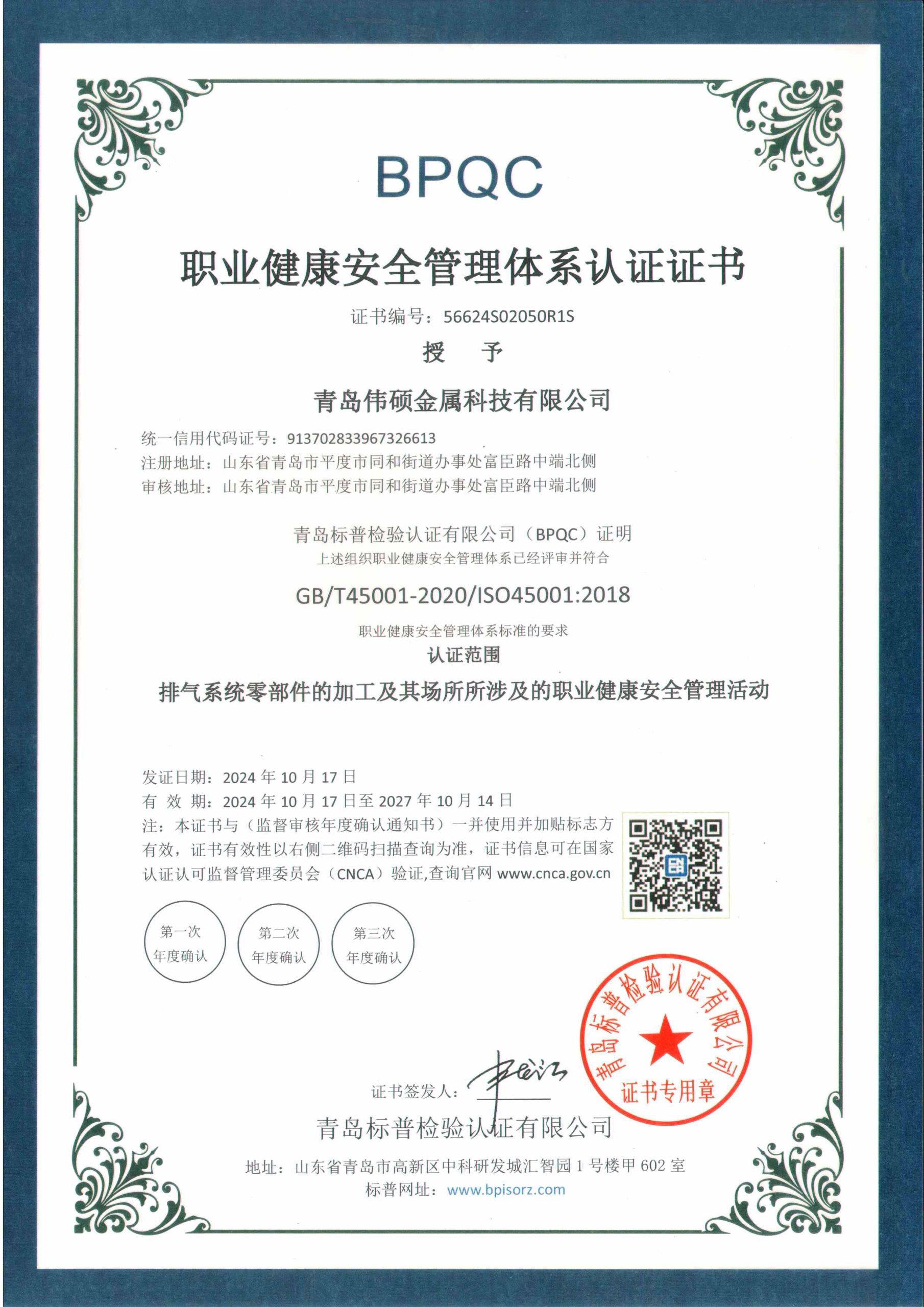
IATF 16949 quality management, environmental and occupational health & safety management certificates.
| What buyers check | Waking (foundry direct) | Trading companies |
|---|---|---|
| Who pours the metal | Our own melt shop and casting lines | A factory you never see |
| Castability answers | From engineers running the process | Relayed second-hand, details lost |
| Internal defect screening | XTH320 X-ray NDT in-house | Depends on the subcontractor |
| Machining after casting | 400+ CNC machines, same site | Second vendor, second freight leg |
| Batch traceability | Certs and reports from one source | Paperwork assembled from pieces |
How a Foundry Project Starts
1. Send Drawings & Requirements
Drawings or samples, material grade, quantity, pressure and inspection requirements.
2. Foundry Engineering Review
Castability, gating, tolerances and risks reviewed by the engineers who run the process — then a quotation with suggestions.
3. Casting, Machining & Delivery
Tooling, sample approval, production, inspection and export packing — one plant, one report set.
Who Buys From This Foundry
Pump & Valve
Automotive & Housings
Industrial Machinery
Pump & Valve Impellers & Flow Parts Pipe Fittings Automotive Components Motor Housings Machinery Components Agriculture Equipment Custom Brackets
Why Buyers Choose This Foundry
2002
Foundry founded — 20+ years of casting
70,000 m²
Production site in Qingdao, China
400+
CNC machines finishing our castings
40+
Export markets served
Frequently Asked Questions
Silica sol lost wax (investment) casting for stainless, carbon and alloy steel, plus low pressure and gravity casting for aluminum alloy. All lines are in-house, in one plant in Qingdao.
Pressure-critical and structural castings are screened on our XTH320 X-ray NDT system for porosity and shrinkage. Dimensions are verified on COORD3 and ZEISS SPECTRUM coordinate measuring machines, and material structure is checked under an inverted metallurgical microscope.
Yes. Leak testing is part of the production flow for valve bodies, housings and other pressure-containing castings — agreed with you at the RFQ stage, not treated as an extra.
304, 316, CF8 and CF8M. If your drawing shows a wrought grade, we confirm the cast equivalent with you before quoting — CF8 corresponds to 304, CF8M to 316.
Yes. Each batch carries traceability: material certificates and inspection reports are issued together, so your QA team can trace any part back to its melt and its inspection record.
Both. Castings are finished on 400+ CNC machines in the same plant — milling, turning, drilling, tapping — then inspected before export packing. You deal with one supplier for the finished part.
Send drawings or samples with material grade, quantity and key requirements. Our foundry engineers review castability and tolerances first, then reply with suggestions and a quotation.
Comparing Investment Casting Foundries?
Send your drawings to the foundry that melts, casts, machines and inspects in one plant — and answers with equipment names, not slogans.
Waking · Investment casting foundry & CNC machining factory since 2002 · cnwakingcast@gmail.com · WhatsApp +86 150 0542 2253
